
Great DCAA audit documentation is built before the auditor arrives, not during it. Here’s what to keep and how to handle requests.

Understanding DCAA Indirect Rate Requirements: What You Need To Know for 2027
Overhead is one of three indirect pools DCAA watches closely in 2026. Here’s how the rates are built, what’s allowable, and what auditors question.

Navigating DCAA Compliance: Key Changes in Regulations for 2027
DCAA compliance changed in 2026. See how new NDAA thresholds, the DCAA reorg, and CMMC harmonization affect your audit risk and contracts.

What Auditors Expect From Modern GovCon Accounting Platforms
DCAA auditors do not certify software. See the accounting system capabilities, cost controls, and audit trails they actually expect from GovCon firms.

Managing Multiple Cost Pools Without Spreadsheet Dependency
Juggling fringe, overhead, and G&A in spreadsheets? See how government contractors manage indirect cost pools with less risk and a cleaner audit trail.
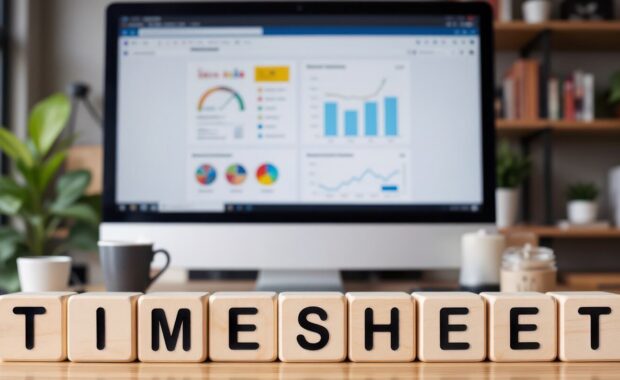
What The DCAA Expects From Automated Timekeeping & Labor Reporting
DCAA has clear rules for automated timekeeping: daily entries, total time accounting, and a full audit trail. Here’s what your labor reporting must show.

Building a More Resilient GovCon Accounting System for 2026
Build a GovCon accounting system that survives DCAA audits and rate shifts in 2026. Practical steps to tighten controls, indirect rates, and compliance.

How To Prepare for Surge Audits After the Shutdown
Federal shutdowns trigger audit backlogs. Learn how government contractors can prepare for surge DCAA and agency audits with a practical readiness plan.

Labor Cost Lifecycle: Furloughs, Idle Time, and Operations
Learn how labor costs move through normal operations, idle time, and furloughs, and how GovCon contractors keep labor compliant at every stage.